



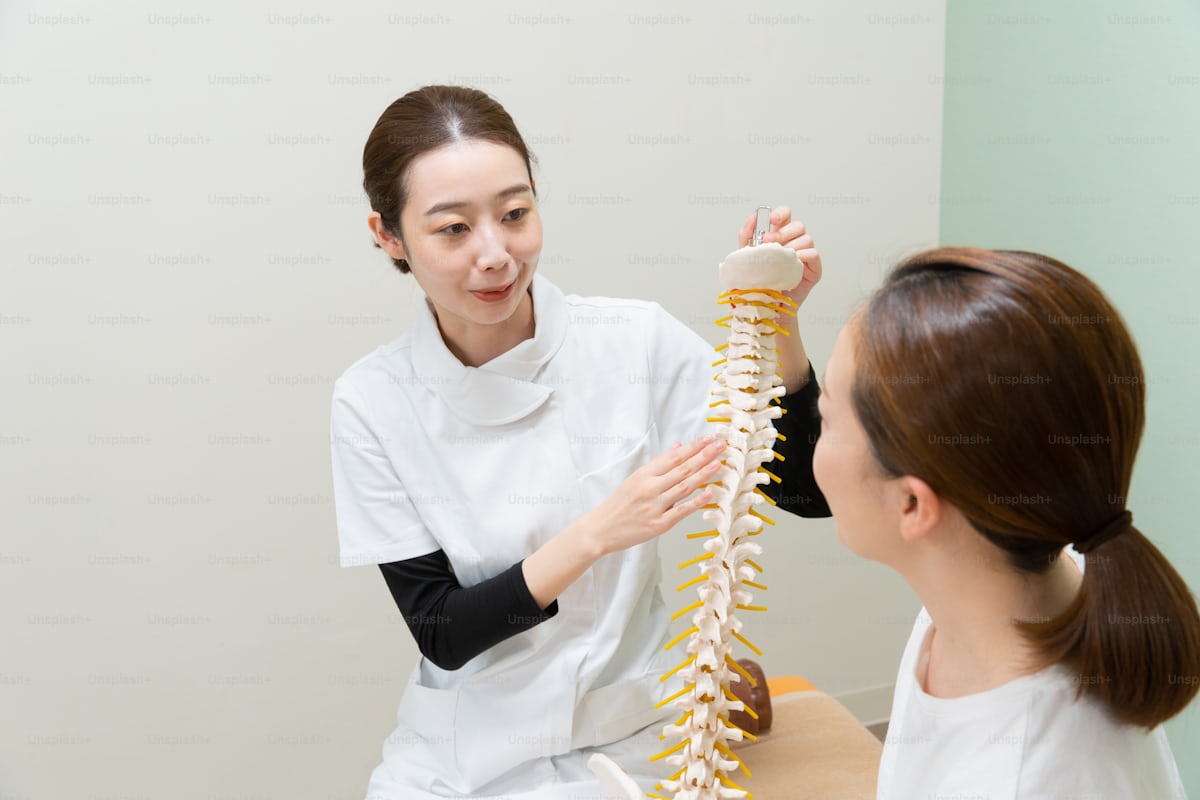
Back and neck pain are among the most common health problems people experience today. Whether caused by poor posture, aging, injuries, or underlying spinal conditions, persistent pain can interfere with work, sleep, and daily activities. While many mild cases improve with rest or physical therapy, some individuals may require specialized medical care. In such cases, consulting a qualified spine surgeon can help identify the root cause of the problem and provide effective treatment options.
The spine is one of the most complex structures in the human body. It supports the body’s weight, protects the spinal cord, and enables movement and flexibility. Because of its complexity, problems affecting the spine often require evaluation by specialists who understand both the neurological and structural aspects of spinal health.
Common Causes of Spine-Related Pain
Many people initially dismiss back or neck pain as a temporary issue, but persistent symptoms may indicate a more serious condition. Some of the most common spinal problems include herniated discs, degenerative disc disease, spinal stenosis, and nerve compression.
A herniated disc occurs when the soft inner portion of a spinal disc pushes through its outer layer, irritating nearby nerves. This can cause pain, numbness, or weakness that may extend into the arms or legs. Degenerative disc disease, on the other hand, occurs when the discs between vertebrae gradually break down with age, leading to chronic discomfort and reduced mobility.
Spinal stenosis is another common condition that involves narrowing of the spinal canal, which can place pressure on the spinal cord or nerves. This often results in pain, tingling sensations, or difficulty walking. In many cases, these conditions can initially be managed through non-surgical treatments such as medication, physical therapy, or lifestyle adjustments.
However, when symptoms persist or worsen, consulting a spine specialist becomes an important step toward finding long-term relief.
Signs You May Need a Spine Surgeon
Not all spine problems require surgery, but certain warning signs suggest it may be time to see a specialist. If you experience severe or ongoing pain that lasts several weeks despite treatment, it may indicate a deeper structural issue in the spine.
Other symptoms that should prompt medical evaluation include:
- Persistent numbness or tingling in the arms or legs
- Muscle weakness or difficulty gripping objects
- Pain that radiates down the arms or legs
- Trouble standing or walking for extended periods
- Loss of balance or coordination
In rare cases, sudden loss of bowel or bladder control may indicate a serious spinal emergency requiring immediate medical attention.
A spine surgeon can conduct imaging tests such as MRI or CT scans to determine the exact cause of these symptoms and recommend the most appropriate treatment plan.
Treatment Options for Spine Conditions
Spine specialists typically explore non-surgical treatments before recommending surgery. These may include physical therapy, targeted injections, pain management strategies, and rehabilitation programs designed to strengthen the muscles supporting the spine.
When conservative methods fail to provide relief, surgery may become a viable option. Some of the most common spine procedures include spinal fusion, lumbar laminectomy, and anterior cervical discectomy and fusion (ACDF). These procedures aim to relieve pressure on nerves, stabilize the spine, and restore mobility.
Advances in surgical techniques have made many spine procedures safer and more precise than ever before. Minimally invasive methods often reduce tissue damage, shorten recovery time, and help patients return to daily activities more quickly.
The Importance of Choosing the Right Specialist
Because spine surgery is a complex and delicate field, selecting a qualified and experienced specialist is essential. Board-certified neurosurgeons and spine surgeons undergo years of training in diagnosing and treating disorders of the brain and spine. Their expertise allows them to evaluate complex cases and determine the safest and most effective treatment approach.
In addition to technical skills, many patients look for physicians who prioritize clear communication and patient education. Understanding your condition and treatment options can help reduce anxiety and allow you to make informed decisions about your health.
For individuals searching for expert spinal care in Idaho, your best bet is doing Google searches like: “Spine Surgeon near me in Boise” which will provide a list of specialists who focus on diagnosing and treating complex spine conditions.
Taking the First Step Toward Relief
Living with chronic back or neck pain can be physically and emotionally exhausting. Fortunately, advances in spine medicine continue to offer new solutions for patients dealing with persistent symptoms. Early diagnosis, proper treatment planning, and expert care can significantly improve quality of life for many individuals.
If spinal pain is affecting your daily routine or preventing you from enjoying normal activities, seeking professional medical guidance is an important step toward recovery. A qualified spine specialist can help determine the cause of your symptoms and guide you toward the most effective path to long-term relief.
