



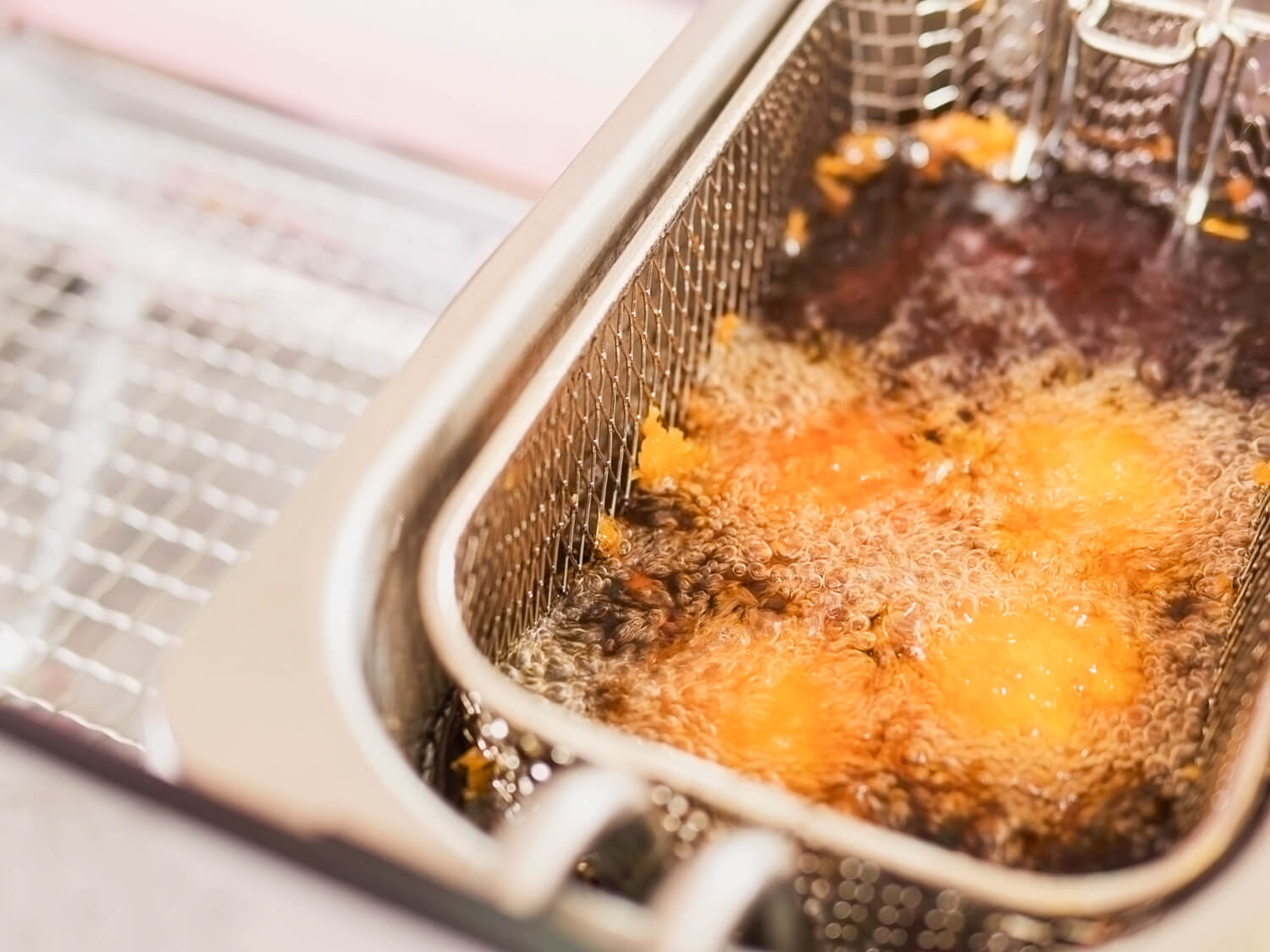
A deep fryer is one of the hardest-working pieces of equipment in a commercial kitchen. It delivers speed, texture, and consistency, but only when it is managed correctly. Poor fryer management can quickly lead to dark oil, greasy food, inconsistent flavor, higher energy bills, equipment damage, and even safety risks. Many of these problems are not caused by the fryer itself, but by daily habits that seem harmless until they begin to affect food quality and profitability.
Effective fryer management is not just about turning the unit on and dropping food into hot oil. It requires temperature control, oil care, staff discipline, cleaning routines, and a clear understanding of how frying conditions affect the final product. Below are the most common fryer management mistakes and practical ways to avoid them.
1. Ignoring Oil Quality Until It Is Too Late
One of the biggest mistakes kitchens make is using frying oil for too long without monitoring its condition. Oil naturally breaks down during frying because of heat, moisture, food particles, salt, and repeated exposure to oxygen. As oil degrades, it becomes darker, thicker, and more likely to produce off-flavors.
Bad oil does more than affect appearance. It can make fried food taste bitter, feel heavy, and absorb more grease. Customers may not know the technical reason, but they immediately notice when fries, chicken, fish, or appetizers taste stale.
To avoid this problem, kitchens should establish a clear oil management routine. Staff should check oil color, smell, foaming, smoking, and food quality during each shift. Using test strips or digital oil quality meters can provide a more objective standard. Instead of replacing oil only when it “looks bad,” teams should follow measurable guidelines based on actual oil condition.
Regular filtration is also essential. Filtering oil removes crumbs and carbonized particles that accelerate oil breakdown. In busy kitchens, oil may need to be filtered multiple times per day, especially when frying breaded or heavily seasoned items.
2. Frying at the Wrong Temperature
Incorrect temperature control is another frequent fryer management issue. If the oil is too cool, food absorbs excess oil and becomes soggy. If it is too hot, the outside browns too quickly while the inside remains undercooked. Both situations create inconsistent results and increase waste.
Many kitchens rely only on the fryer’s built-in display, assuming it is always accurate. However, thermostats can become miscalibrated over time. A fryer set to 175°C may not actually be holding that temperature. This can cause ongoing quality problems that staff may incorrectly blame on the product, supplier, or recipe.
The solution is simple but often overlooked: verify fryer temperature with a calibrated thermometer. Temperature checks should be part of routine equipment maintenance. Staff should also avoid overloading baskets, because adding too much frozen or chilled product at once causes the oil temperature to drop sharply. The fryer then needs more time to recover, slowing service and reducing food quality.
A good rule is to fry in controlled batches and allow the oil to return to the correct temperature between loads. Consistent temperature means consistent texture, color, and cook time.
3. Overloading the Fryer Basket
During peak hours, staff may try to speed up service by filling fryer baskets beyond recommended capacity. This usually has the opposite effect. Overloading lowers the oil temperature, increases cooking time, and causes food to steam instead of fry properly. Items may stick together, cook unevenly, or come out pale and greasy.
Proper basket loading is a core part of professional fryer management. Each fryer has a maximum load capacity, and staff should be trained to respect it. Smaller, controlled batches often produce faster and better results than one oversized batch that slows recovery and requires re-frying.
Kitchens should also separate products with different cooking times. For example, fries, breaded chicken, onion rings, and fish should not be treated as interchangeable. Each item needs the correct portion size, basket space, temperature, and cook time.
4. Mixing Incompatible Foods in the Same Oil
Using the same fryer oil for every menu item can damage flavor and create cross-contamination concerns. Strong-flavored foods such as fish, spicy breaded products, or heavily seasoned items can transfer taste and odor to milder foods. This is especially noticeable with fries, which easily absorb surrounding flavors.
There may also be allergen concerns. If shellfish, fish, dairy-based batters, or gluten-containing breaded items are fried in the same oil as other products, customers with allergies or dietary restrictions may be at risk.
To avoid this, commercial kitchens should assign fryers by product category whenever possible. Dedicated fryers for fries, seafood, chicken, and allergen-sensitive items can significantly improve quality and reduce risk. When dedicated fryers are not available, kitchens should at least create a frying sequence that starts with neutral items and moves toward stronger-flavored products, with filtration and cleaning scheduled accordingly.
5. Not Removing Food Debris Frequently
Small crumbs and loose breading may seem insignificant, but they are one of the main causes of rapid oil degradation. When food particles remain in hot oil, they continue to burn. This creates dark sediment, bitter flavors, smoke, and faster breakdown of the oil.
Staff should skim the fryer regularly throughout service, not only at closing. Crumb trays and sediment zones should also be cleaned according to the manufacturer’s instructions. The cleaner the oil environment, the longer the oil lasts and the better the food tastes.
This practice also improves presentation. Food fried in dirty oil often comes out with dark specks attached to the surface, making it look old or poorly prepared even when it is freshly cooked.
6. Neglecting Daily Cleaning and Boil-Out Procedures
Some kitchens wipe the outside of the fryer and consider the job done. However, proper fryer cleaning must include baskets, heating elements, oil vats, drain valves, and surrounding surfaces. Grease buildup can become a fire hazard, attract pests, and reduce equipment efficiency.
A daily cleaning checklist should clearly define what must be cleaned, who is responsible, and when it should be completed. Periodic boil-out procedures are also important for removing carbonized grease and residue from inside the fryer tank. These procedures must be done safely and according to the fryer manufacturer’s instructions.
Clean equipment supports better heat transfer, safer operation, and longer equipment life. It also creates accountability among staff, because a clean fryer is easier to inspect and maintain.
7. Reusing Oil Without Proper Filtration
Reusing oil is normal in commercial kitchens, but reusing it without filtration is costly. Unfiltered oil contains food particles, seasoning, moisture, and breakdown compounds that continue to damage the oil with every heating cycle.
A structured filtration schedule helps control operating costs. Oil is one of the most expensive consumables in a fryer station, and poor handling can force unnecessary replacement. Proper filtration can extend oil life while maintaining product quality.
However, filtration is not a substitute for replacement. Oil that has reached the end of its usable life should not be “saved” by filtering it again. Staff need to understand the difference between oil that is dirty and oil that is chemically degraded.
8. Poor Staff Training
Even the best fryer equipment will fail to perform if staff are not trained properly. Many fryer problems come from inconsistent habits: guessing cook times, shaking baskets incorrectly, salting food over the fryer, ignoring oil levels, or failing to report equipment issues.
Training should cover more than basic operation. Employees need to understand why each step matters. For example, salting food over the fryer may seem harmless, but salt accelerates oil breakdown when it falls into the vat. Dropping wet food into hot oil increases splattering and safety risks. Ignoring low oil levels can damage heating elements and create uneven cooking.
Written procedures, visual guides, and shift checklists help make fryer management consistent across different employees and service periods. Managers should also observe fryer use during busy hours, not only during training sessions.
9. Forgetting Safety Fundamentals
A fryer operates with extremely hot oil, which means safety must always be a priority. Common safety mistakes include overfilling the oil vat, adding wet products, moving containers of hot oil without proper tools, wearing inappropriate protective equipment, and failing to keep the surrounding floor dry.
Fire safety is equally important. Grease fires require proper Class K fire extinguishers, and staff should know never to use water on burning oil. Emergency shut-off procedures should be clearly communicated and practiced.
Good fryer management protects both food quality and employees. A safe fryer station should have clear walkways, dry floors, proper gloves, clean baskets, and no unnecessary clutter around the equipment.
10. Failing to Track Performance and Costs
Many kitchens treat fryer performance as a daily task rather than a measurable business process. This makes it difficult to see how much oil is being used, how often it is replaced, how much product is wasted, or whether one shift is following procedures better than another.
Tracking oil usage, filtration frequency, cleaning completion, product complaints, and waste can reveal patterns. For example, if oil quality drops faster on certain days, it may be connected to product volume, poor skimming, overloading, or staff shortcuts. Data helps managers correct the real cause instead of guessing.
Fryer management is a combination of discipline, training, maintenance, and observation. The most common mistakes—poor oil monitoring, wrong temperatures, overloaded baskets, dirty equipment, and inconsistent staff habits—are preventable with clear procedures and regular supervision.
When a fryer is managed correctly, the benefits are immediate: better-tasting food, more consistent texture, lower oil costs, safer working conditions, and longer equipment life. In a competitive food service environment, these details matter. Customers may not see what happens behind the fryer station, but they can taste the difference in every order.