



Ayurveda is one of the world’s oldest systems of medicine, focusing on balance, prevention, and long-term wellness rather than short-term symptom control. Unlike treatments that target only a specific disease, Ayurvedic therapies aim to restore harmony between the body, mind, and environment.
Among these therapies, Panchakarma is considered to be the most important therapy for detoxification and long-term healing. Along with supportive treatments, such as herbal medicines, dietary regulation, and lifestyle guidance, Ayurveda offers a comprehensive approach to managing chronic conditions and maintaining overall health.
This article explains Panchakarma and other key Ayurvedic therapies, how they work, and why they are used for long-term healing.
What Is Panchakarma?
Panchakarma is a structured Ayurvedic detoxification and rejuvenation process designed to remove accumulated toxins (known as ‘ama’) from the body and restore internal balance. The term ‘Panchakarma’ literally means ‘five actions’, referring to five primary cleansing procedures.
Rather than being a quick detox, Panchakarma is a carefully planned therapy customized to an individual’s constitution, health condition, and stage of illness.
The Purpose of Panchakarma in Long-Term Healing
Panchakarma is not only used for disease treatment but also for prevention and health maintenance. Its long-term benefits include:
- Improved digestion and metabolism
- Better absorption of nutrients
- Reduced inflammation
- Enhanced immunity
- Improved mental clarity and stress regulation
By addressing root imbalances, Panchakarma supports sustained healing rather than temporary relief.
The Five Main Panchakarma Therapies
Vamana (Therapeutic Emesis)
Vamana is used to eliminate excess mucus and toxins from the upper digestive and respiratory tract. It may be recommended for conditions related to congestion, allergies, or metabolic imbalance under medical supervision.
Virechana (Therapeutic Purgation)
Virechana focuses on cleansing the intestines and liver through controlled purgation. It is usually used in chronic digestive issues, skin conditions, and inflammatory disorders.
Basti (Medicated Enema)
Basti is one of the most important Panchakarma therapies, especially for chronic conditions. It helps balance the nervous system, support joint health, and improve gut function through herbal formulations.
Nasya (Nasal Therapy)
Nasya involves administering herbal oils or powders through the nasal passages. It is commonly used for sinus issues, headaches, hormonal balance, and neurological support.
Raktamokshana (Blood Detoxification)
This therapy is used selectively for conditions involving blood impurities. It is performed only when indicated and under strict supervision.
The Role of Pre- and Post-Panchakarma Care
Panchakarma is not limited to the cleansing phase alone. It includes:
- Preparation phase (Purva Karma): Improves digestion and mobilizes toxins
- Main detox phase (Pradhana Karma): Executes cleansing therapies
- Recovery phase (Paschat Karma): Restores strength, digestion, and balance
Skipping preparation or recovery reduces the effectiveness of the therapy, which is why Panchakarma should always be medically guided.
Other Important Ayurvedic Therapies for Long-Term Healing
Abhyanga (Therapeutic Oil Massage)
Abhyanga uses warm herbal oils to nourish tissues, improve circulation, and calm the nervous system. It supports joint health, muscle relaxation, and stress reduction.
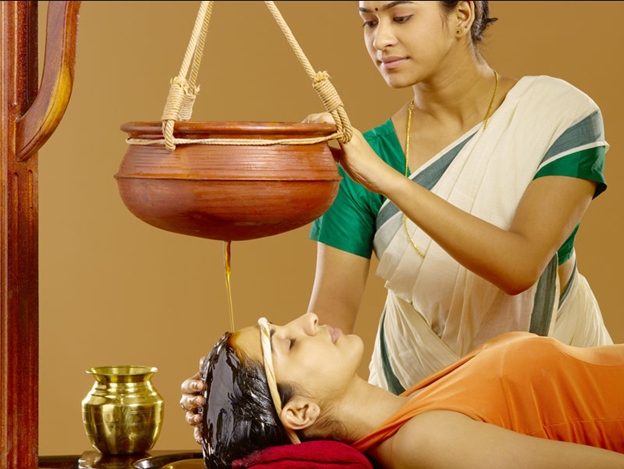
Shirodhara
Shirodhara involves the gentle flow of warm oil over the forehead. It is normally used for stress-related conditions, sleep disturbances, anxiety, and mental fatigue.
Swedana (Herbal Steam Therapy)
Swedana promotes sweating to remove toxins through the skin. It supports detoxification, improves mobility, and enhances the effects of oil therapies.
Ayurvedic Herbal Medicines
Herbal formulations are prescribed based on individual constitution and condition. These medicines aim to restore internal balance rather than suppress symptoms.
How Ayurveda Supports Chronic Condition Management
Ayurvedic therapies are commonly used as part of long-term care plans for:
- Digestive disorders
- Joint and musculoskeletal conditions
- Stress-related disorders
- Metabolic imbalances
- Skin conditions
- Lifestyle-related chronic issues
The focus is on improving the body’s ability to heal itself through sustained balance and preventive care.
Personalization Is Central to Ayurvedic Treatment
Ayurveda does not follow a standardized protocol for everyone. Treatment plans are personalized based on:
- Body constitution (Prakriti)
- Current imbalance (Vikriti)
- Age and lifestyle
- Digestive strength
- Mental and emotional state
In cities such as Ahmedabad, individuals seeking holistic and structured care may explore options at a reputable ayurvedic treatment hospital in Ahmedabad, where therapies are delivered under medical supervision and tailored to long-term health goals.
Safety and Medical Supervision in Ayurvedic Therapies
Although Ayurvedic therapies are natural, they are not casual wellness treatments. Panchakarma and other therapies should always be:
- Prescribed after proper assessment
- Conducted by trained practitioners
- Adjusted based on response and tolerance
Medical supervision ensures safety, effectiveness, and appropriate integration with existing treatments if required.
Lifestyle and Diet in Long-Term Healing
Ayurvedic healing extends beyond therapy rooms. Diet and lifestyle play an important role in sustaining benefits. Patients are guided on:
- Personalized dietary choices
- Daily routines aligned with body rhythms
- Stress management practices
- Sleep and activity balance
These measures help maintain the results of Panchakarma and other therapies.
FAQs
Is Panchakarma suitable for everyone?
Not always. Panchakarma is customized and may not be suitable during pregnancy, acute illness, or severe weakness. A medical evaluation is essential.
How long does Panchakarma treatment take?
Duration varies based on individual needs and may range from a few days to several weeks, including preparation and recovery.
Can Panchakarma help with stress and fatigue?
Yes. Panchakarma and supportive therapies help calm the nervous system and improve energy levels over time.
Are Ayurvedic therapies a replacement for modern medicine?
Ayurveda is usually used as a complementary approach. Treatment decisions should be made in consultation with healthcare providers.
How long do the benefits of Panchakarma last?
When combined with lifestyle and dietary guidance, benefits can be long-lasting and support ongoing wellness.
Conclusion
Panchakarma and other Ayurvedic therapies offer a structured, personalized approach to long-term healing by addressing the root causes of imbalance rather than focusing only on symptoms. Through detoxification, rejuvenation, and lifestyle alignment, Ayurveda supports sustained physical and mental well-being.
When practiced under proper medical guidance, these therapies can play a meaningful role in managing chronic conditions, improving resilience, and maintaining overall health. Long-term healing in Ayurveda is not about quick fixes, it is about restoring balance and supporting the body’s natural capacity to heal over time.
